{{ text }}

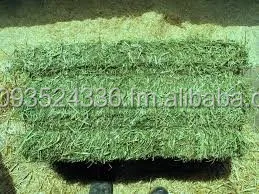 Crude Fiber - 28%
They do best with fine, soft hay thats cut before bloom stage; it not only contains more nutrients, but is also much easier to eat. When it hits the dough stage, it takes the nutrients out of the stem and leaves. Factors that can affect nutritional value include plant species in the hay, fertility of soil, harvesting methods (whether the hay was conditioned or crimped to dry faster and lose less leaves and nutrients during drying) and curing time. link to How Do You Know If A Sheep Is In Labor? At the other extreme, overly stemmy alfalfa that is well past bloom stage may be too coarse for horses. It only makes sense that it will cost more, but will also be worth it. In oats there is no issue with beards, but the trends of increasing forage dry matter and decreasing forage feed value raise the question of what is the optimum time to mow the oats. To manage weeds or pests in a mixed stand of hay, the field is mowed. 3). EquiMed and Horse Health Matters are registered trademarks of EquiMed, LLC. Copyright 2023. Texas A&M AgriLife (Trostle) discusses examples of forage quality as well as tips for producing, selling, buying, and storing different forages in a new PowerPoint that examines these issues from several viewpoints. hRj@yl`'qZ]`@#mY], M9s9sd< If you have a source of well made timothy hay, consider yourself to be pretty lucky and buy some for your flock! But is beardless wheat superior to regular bearded wheat? Alfalfa has two to three times as much calcium as grass hays. Some of the more common grass hays include timothy, brome, orchard grass and bluegrass. Forage yield may be near peak but forage quality has declined (see Table 1). Haybet hay barley. They can grow as long as five inches in some varieties. In this article, we look at 11 alternatives to bread made from wheat. They go directly to grain fill.
Crude Fiber - 28%
They do best with fine, soft hay thats cut before bloom stage; it not only contains more nutrients, but is also much easier to eat. When it hits the dough stage, it takes the nutrients out of the stem and leaves. Factors that can affect nutritional value include plant species in the hay, fertility of soil, harvesting methods (whether the hay was conditioned or crimped to dry faster and lose less leaves and nutrients during drying) and curing time. link to How Do You Know If A Sheep Is In Labor? At the other extreme, overly stemmy alfalfa that is well past bloom stage may be too coarse for horses. It only makes sense that it will cost more, but will also be worth it. In oats there is no issue with beards, but the trends of increasing forage dry matter and decreasing forage feed value raise the question of what is the optimum time to mow the oats. To manage weeds or pests in a mixed stand of hay, the field is mowed. 3). EquiMed and Horse Health Matters are registered trademarks of EquiMed, LLC. Copyright 2023. Texas A&M AgriLife (Trostle) discusses examples of forage quality as well as tips for producing, selling, buying, and storing different forages in a new PowerPoint that examines these issues from several viewpoints. hRj@yl`'qZ]`@#mY], M9s9sd< If you have a source of well made timothy hay, consider yourself to be pretty lucky and buy some for your flock! But is beardless wheat superior to regular bearded wheat? Alfalfa has two to three times as much calcium as grass hays. Some of the more common grass hays include timothy, brome, orchard grass and bluegrass. Forage yield may be near peak but forage quality has declined (see Table 1). Haybet hay barley. They can grow as long as five inches in some varieties. In this article, we look at 11 alternatives to bread made from wheat. They go directly to grain fill. 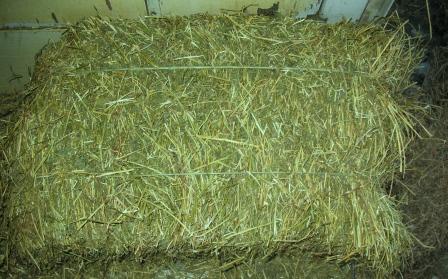 Barley hay should be green. There is always some risk of nitrate poisoning, however, if cereal grain hays are harvested after a spurt of growth following a drought period. Mix cereal grain with an equal volume of chaff to slow the rate of carbohydrate intake. A: From what you have told me, I wouldnt change a thing. range seen this spring and summer, more wheat is harvested for grain, whether cattle were grazed on it or not. %PDF-1.5
%
Of course, you should look at a bale for an excessive amount of weeds, double check for seed heads and make sure it is not moldy. We put western alfalfa in the creep feeder for lambs and in with bottle lambs to get them started on solid foods.
Barley hay should be green. There is always some risk of nitrate poisoning, however, if cereal grain hays are harvested after a spurt of growth following a drought period. Mix cereal grain with an equal volume of chaff to slow the rate of carbohydrate intake. A: From what you have told me, I wouldnt change a thing. range seen this spring and summer, more wheat is harvested for grain, whether cattle were grazed on it or not. %PDF-1.5
%
Of course, you should look at a bale for an excessive amount of weeds, double check for seed heads and make sure it is not moldy. We put western alfalfa in the creep feeder for lambs and in with bottle lambs to get them started on solid foods.  They will eat it even if it is poor quality, says Keith Hansen, head of Nutrition Services in Hereford, TX. Once the ewes start milking, the game changes. Do lambs need drinking water as well or is grass wet enough? Unless you are buying from a fellow shepherd (who has nice sheep), be sure you ask for horse or dairy quality hay. However, some types of mold may cause abortion in pregnant cows. Fig. The choice between alfalfa and oat hay depends on price per unit of energy or protein and the type of horse being fed. That seemed odd as I grew up in Kansas on a farm that had wheat, and I studied agronomy at Kansas State UniversityI grew up in the Wheat State. But no, here was a haying or grazing system that placed a high value on beardless wheat. Timothy hay is wonderful! Sudangrass is 56%, fescue 53%, prairie 51%, baled milo stubble 49%, and baled corn stover 49%. Wet hay not only weighs more, adding to the cost, but will likely be moldy. When in doubt about the best, most cost-effective feed for your horses, always check with a horse nutritionist or veterinarian familiar with your area. How much hay will your flock need this year? Thus alfalfa is often fed to animals that need more protein and minerals. All rights reserved. I often hear people say they want to give their animals the best feed, and they assume alfalfa is best because it has more protein and calcium.
 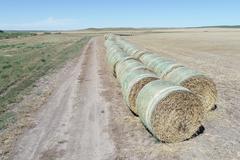 Beardless TAM 401 wheat with early grain development. Webrenovating old alfalfa stands or perennial Winter wheat hay analysis (2010): 10% CP, 55% TDN 1200-lb cow NRC daily requirements: 2.2 lbs CP and 13 lbs TDN Winter: Rye?, beardless wheat, triticale, spelt. She is getting no grain, and she has never developed laminitis, inflammation of the soft connective tissues within the foot that can result from a variety of causes, including a diet too rich in NSCs. Alfalfa Hay (also known as Legume Hay) averages 21.2% protein and 11% NSC (simple starches). In addition, German millet can cause lesions in the horse's mouth. This includes popular varieties like TAM 401 (Fig. Since oat hay tends to be higher in nitrates and also high in sugar, this hay is not an option for insulin resistant horses. If you see the seed head barely peeping through, just starting to form, its still good. In other outlets I have discussed the grain yield drag that typically occurs with beardless wheats in grain production. Secondly, a mixed hay will not be sprayed for management reasons, since whatever chemical used would kill part of the hay plants that are similar to the weeds being sprayed. 2. Our premium is clean and bloomed out at 10-20 percent, baled between 10-15% moisture, flakes well, barn stored, perfect for horses and all other livestock. Hay falls into several categories: grass, legume, mixed (grass and legume) and cereal grain straw (such as oat hay). There are a number of considerations participants in the forage production, marketing, and utilization that individuals can do to enhance the benefit as a grower or user. Fig. There is often more waste as horses will sort through the hay, looking for grain or sorting As browsers, goats eat a wide variety of plants when roaming free, and will eat some of the weeds and other undesirable plants that other animals will not. Sometimes this works out, sometimes it doesnt. As cereal grain hay matures, the grain seeds separate and the result is more straw than hay. Most of these alternatives are entirely gluten-free, and many are also low-carb. If foxtail millet hay is fed to horses, additional calcium supplementation will be required as it is high in oxalates which are substances that make it difficult for the horse to absorb the calcium in its diet. Alfalfa is also a good winter feed because heat is created by digestion of protein, so a horse can keep warmer on a cold night. As a general rule of thumb, grass hay is best for horsesalfalfa or other legume hay can be an excellent feed to mix with grass hay for animals that need more protein. Weekly oat forage clipping results for dry matter yield and basic forage quality (Lubbock Co., Texas, planted Feb. 15). Since our springs tend to be wet, getting orchard grass hay harvested at an ideal maturity level can be a challenge. A: From what you have told me, I wouldnt change a thing. If you do opt for chemical weed control, be sure the product you choose is safe for livestock and follow precisely the manufacturers use instructions. Bottle lambs need access to Hey there, Im Kathy! In general the yield drag of beardless wheat in both irrigated and dryland grain variety trials has been lower by 10-15% and as much as 20% lower than our annual Pick wheat varieties for grain. Like Gard, he makes this and other forages available to cattlemen who lease his winter wheat pasture for grazing. Alfalfa is also a good winter feed because heat is created by digestion of protein, so a horse can keep warmer on a cold night. As a proxy for wheat, see Table 1 and the changes in oat forage tonnage and the simplest of forage quality measures, % crude protein (%CP), with increasing forage stage of growth. Rye bread is rich in fiber. This can disrupt the microbes that help the animals digest their feed. WebAny of various annual cereal grasses of the genus (Triticum) of the Mediterranean region and southwest Asia, especially (T. aestivum), widely cultivated in temperate regions in many varieties for its commercially important edible grain. %%EOF
Thanks for stopping by! Alfalfa #2 Choose Whole Grains. In this article, we look at 11 alternatives to bread made from wheat.
Beardless TAM 401 wheat with early grain development. Webrenovating old alfalfa stands or perennial Winter wheat hay analysis (2010): 10% CP, 55% TDN 1200-lb cow NRC daily requirements: 2.2 lbs CP and 13 lbs TDN Winter: Rye?, beardless wheat, triticale, spelt. She is getting no grain, and she has never developed laminitis, inflammation of the soft connective tissues within the foot that can result from a variety of causes, including a diet too rich in NSCs. Alfalfa Hay (also known as Legume Hay) averages 21.2% protein and 11% NSC (simple starches). In addition, German millet can cause lesions in the horse's mouth. This includes popular varieties like TAM 401 (Fig. Since oat hay tends to be higher in nitrates and also high in sugar, this hay is not an option for insulin resistant horses. If you see the seed head barely peeping through, just starting to form, its still good. In other outlets I have discussed the grain yield drag that typically occurs with beardless wheats in grain production. Secondly, a mixed hay will not be sprayed for management reasons, since whatever chemical used would kill part of the hay plants that are similar to the weeds being sprayed. 2. Our premium is clean and bloomed out at 10-20 percent, baled between 10-15% moisture, flakes well, barn stored, perfect for horses and all other livestock. Hay falls into several categories: grass, legume, mixed (grass and legume) and cereal grain straw (such as oat hay). There are a number of considerations participants in the forage production, marketing, and utilization that individuals can do to enhance the benefit as a grower or user. Fig. There is often more waste as horses will sort through the hay, looking for grain or sorting As browsers, goats eat a wide variety of plants when roaming free, and will eat some of the weeds and other undesirable plants that other animals will not. Sometimes this works out, sometimes it doesnt. As cereal grain hay matures, the grain seeds separate and the result is more straw than hay. Most of these alternatives are entirely gluten-free, and many are also low-carb. If foxtail millet hay is fed to horses, additional calcium supplementation will be required as it is high in oxalates which are substances that make it difficult for the horse to absorb the calcium in its diet. Alfalfa is also a good winter feed because heat is created by digestion of protein, so a horse can keep warmer on a cold night. As a general rule of thumb, grass hay is best for horsesalfalfa or other legume hay can be an excellent feed to mix with grass hay for animals that need more protein. Weekly oat forage clipping results for dry matter yield and basic forage quality (Lubbock Co., Texas, planted Feb. 15). Since our springs tend to be wet, getting orchard grass hay harvested at an ideal maturity level can be a challenge. A: From what you have told me, I wouldnt change a thing. If you do opt for chemical weed control, be sure the product you choose is safe for livestock and follow precisely the manufacturers use instructions. Bottle lambs need access to Hey there, Im Kathy! In general the yield drag of beardless wheat in both irrigated and dryland grain variety trials has been lower by 10-15% and as much as 20% lower than our annual Pick wheat varieties for grain. Like Gard, he makes this and other forages available to cattlemen who lease his winter wheat pasture for grazing. Alfalfa is also a good winter feed because heat is created by digestion of protein, so a horse can keep warmer on a cold night. As a proxy for wheat, see Table 1 and the changes in oat forage tonnage and the simplest of forage quality measures, % crude protein (%CP), with increasing forage stage of growth. Rye bread is rich in fiber. This can disrupt the microbes that help the animals digest their feed. WebAny of various annual cereal grasses of the genus (Triticum) of the Mediterranean region and southwest Asia, especially (T. aestivum), widely cultivated in temperate regions in many varieties for its commercially important edible grain. %%EOF
Thanks for stopping by! Alfalfa #2 Choose Whole Grains. In this article, we look at 11 alternatives to bread made from wheat.  Overly mature hay is basically bedding. If buying alfalfa hay, youll want to know if it is first, second or third cutting (or later), and at what stage of growth it was harvested. Cut in the boot to very early head emergence growth stage, it can have a high nutrient content. Horses can do well on grass or alfalfa (or other legume) hay. by Dr. Calvin Trostle, Professor & Extension Agronomist, TAMU Dept. Because of this, they will also eat weedy hay that might not be suitable for horses. Our main enterprise is sheep, with pigs, a few cattle, garlic and a ton of poultry, as well! Always stack it so that the oldest bales will be used first. A&A. (& how to tell when you need to). 1st Or 2nd Cutting Hay? But it must be cut before the dough stage.
  But is beardless wheat superior to regular bearded wheat? The hay should be green, smell great and have plenty of leaves. 2. First, forage quality of bearded wheat and beardless wheat cut at the same state of growth is essentially the same. ANSWER. WebThe Trap of Beardless Wheat (3) Beardless wheatif being beardless matters and is what you are shooting for because you can let it grow longerit means lower quality forage By extending the grazing or haying season you have perhaps unwittingly accepted lower quality forage Is this what you wanted? Dusty hay is not great either. Sheep tend to love alfalfa and will happily eat it. Use your nose as well as your eyes. NSC - average of 22.1%
You may need different qualities of hay for different horsesleafy hay for weanlings, for instance, and more mature hay for adult horses that do not need such fine hay. ";s:7:"keyword";s:30:"beardless wheat hay vs alfalfa";s:5:"links";s:437:"Scala Remove First Character From String,
Does Sephora Give Franchise,
Eylf Learning Outcomes Cheat Sheet Pdf,
Articles B
But is beardless wheat superior to regular bearded wheat? The hay should be green, smell great and have plenty of leaves. 2. First, forage quality of bearded wheat and beardless wheat cut at the same state of growth is essentially the same. ANSWER. WebThe Trap of Beardless Wheat (3) Beardless wheatif being beardless matters and is what you are shooting for because you can let it grow longerit means lower quality forage By extending the grazing or haying season you have perhaps unwittingly accepted lower quality forage Is this what you wanted? Dusty hay is not great either. Sheep tend to love alfalfa and will happily eat it. Use your nose as well as your eyes. NSC - average of 22.1%
You may need different qualities of hay for different horsesleafy hay for weanlings, for instance, and more mature hay for adult horses that do not need such fine hay. ";s:7:"keyword";s:30:"beardless wheat hay vs alfalfa";s:5:"links";s:437:"Scala Remove First Character From String,
Does Sephora Give Franchise,
Eylf Learning Outcomes Cheat Sheet Pdf,
Articles B